Key Takeaways
- Natural stone patios offer unmatched durability and timeless beauty, with materials like bluestone, limestone, and flagstone lasting decades with minimal maintenance
- Popular stone patio patterns include rectangular, irregular, circular, and mosaic layouts, each creating different aesthetic effects and functionality
- Essential design considerations include proper drainage, site preparation, and choosing stones that complement your home’s architecture and climate
- Multi-functional features like fire pits, outdoor kitchens, and integrated lighting can transform basic stone patios into complete outdoor living spaces
- Professional installation ensures proper base preparation and longevity, while DIY approaches can work for smaller, simpler projects
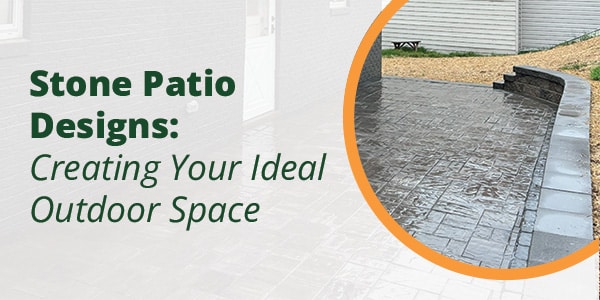
Stone patios represent the perfect marriage of natural beauty and functional outdoor living. Unlike manufactured materials, natural stone creates an outdoor space that improves with age, developing character while maintaining structural integrity for decades. Whether you envision intimate morning coffee sessions or large-scale entertaining, the right stone patio design can transform your backyard space into a stunning entertainment hub.
A well-designed stone patio serves as more than just a surface—it becomes the focal point of your outdoor environment. The natural materials integrate seamlessly with landscaping while providing weather resistance that far exceeds wood or composite alternatives. With endless possibilities for customization through pattern selection, stone choices, and integrated features, your patio can reflect your personal style while adding substantial value to your property.
This comprehensive guide explores everything from material selection and layout patterns to installation considerations and maintenance requirements. You’ll discover how different natural stones create distinct aesthetic effects, learn to choose patterns that maximize your space’s potential, and understand the essential elements that transform a simple stone surface into a complete outdoor living space.
Popular Stone Materials for Patio Designs
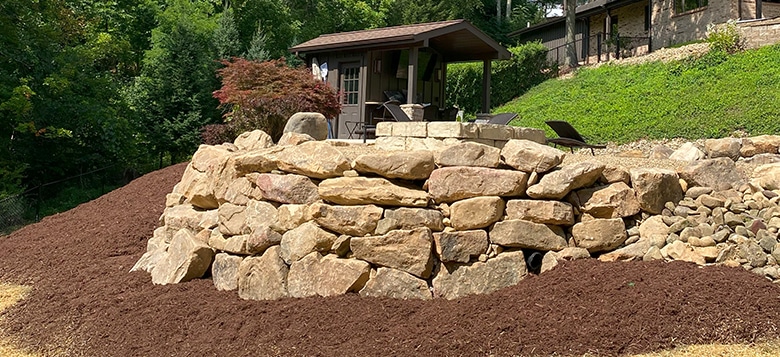
Choosing the right stone material forms the foundation of successful patio design. Natural stone is also a foundational element in masonry for outdoor living spaces. Natural stones offer superior durability compared to manufactured materials, with many installations lasting 50+ years with proper maintenance. Each stone type brings unique characteristics in color, texture, and performance that significantly impact both appearance and functionality. Natural stones are available in different sizes, allowing for creative and balanced patio designs that enhance visual interest.
Bluestone stands out as a premium choice for modern stone patio designs. This dense, durable sandstone features distinctive blue gray tones that create sophisticated, contemporary aesthetics. Connecticut Bluestone, particularly prized for its frost resistance, represents the gold standard for harsh climate installations. While commanding higher prices, bluestone’s consistent coloring and clean lines make it ideal for geometric patterns and formal outdoor spaces.
Limestone provides exceptional versatility with its range from cream to gray tones. This sedimentary stone offers moderate pricing while delivering classic appeal that complements both traditional and contemporary architecture. However, limestone requires regular sealing in areas with acid rain, as its calcium carbonate composition makes it susceptible to chemical weathering over time.
Flagstone excels in creating rustic, natural-looking patios through its irregular shapes and varied thicknesses. Available in sandstone, slate, or limestone varieties, flagstone’s organic character works beautifully in cottage gardens and naturalistic landscape designs. The random patterns possible with flagstone maximize each stone’s individual beauty while creating slip-resistant surfaces perfect for pool areas and high-traffic zones. A flagstone patio can be integrated into various landscaping concepts, such as garden pathways, fire pit areas, or outdoor dining spaces, offering both versatility and timeless appeal.
Granite delivers exceptional durability and heat resistance, making it ideal for outdoor kitchen installations and fire pit surrounds. Its crystalline structure provides superior strength, though the premium appearance comes with correspondingly higher costs. Granite’s natural beauty intensifies when polished, creating stunning focal points in contemporary patio designs.
Sandstone offers warm, earth-tone colors at budget-friendly prices. This sedimentary stone provides easier workability for DIY installations while maintaining good durability when properly sealed. Regional sandstone varieties often complement local architecture, creating cohesive design schemes that feel naturally integrated with their surroundings.
Slate brings smooth surfaces and rich colors perfect for contemporary outdoor spaces. Its fine-grained metamorphic structure creates elegant, uniform appearances, though its brittleness requires careful handling during installation. Slate’s natural slip resistance makes it excellent for areas around water features.
When comparing natural stone options versus concrete pavers, the extensive selection of natural materials provides unique character impossible to replicate with manufactured alternatives. Choosing the right patio material is essential for achieving the desired durability and appearance in your outdoor space. While concrete pavers offer initial cost savings, natural stones typically provide better long-term value through superior durability and timeless aesthetic appeal. Manufactured materials simply cannot match the unique aesthetics, authenticity, and durability that natural stone brings to patio projects.
Stone Patio Layout Patterns and Designs
Pattern selection dramatically influences both the visual impact and functionality of your stone patio. The shape of the stones and the overall patio shape play a crucial role in determining the final design and atmosphere. Paving choices set the tone and style of the outdoor space, helping to unify the landscape with your home’s architecture. A natural stone patio offers remarkable versatility and appeal, adapting beautifully to a wide range of layout styles and garden settings. The chosen layout affects perceived space size, maintenance requirements, and overall design cohesion with your home’s architecture. Understanding how different patterns work helps create outdoor spaces that maximize both beauty and practicality.
Rectangular/Running Bond patterns arrange stones in linear formations similar to traditional brickwork. This classic approach works exceptionally well with bluestone and other regularly-shaped stones, creating formal appearances perfect for contemporary homes. The parallel lines visually elongate spaces, making smaller patios appear larger while providing predictable, easy-to-maintain joint lines.
Random/Irregular layouts maximize the natural character of flagstones and other organic-shaped materials. This pattern celebrates each stone’s unique features while creating flowing, naturalistic appearances that integrate beautifully with garden plantings. Random patterns require skilled installation to achieve proper weight distribution and avoid awkward gaps, but the results offer unmatched natural beauty.
Herringbone patterns create sophisticated interlocking V-shaped arrangements that provide exceptional structural stability. This traditional European style works particularly well in high-traffic seating areas and outdoor dining spaces. The complex geometry adds visual interest while the interlocking design minimizes individual stone movement over time. Herringbone paving can also create eye catching effects, especially when contrasting stone colors are used. For example, a herringbone natural stone patio with bold-colored paving slabs can become a striking centerpiece in a modern backyard.
Circular/Radiating patterns use a circular layout to establish strong focal points perfect for fire pit areas and intimate seating spaces. This design not only enhances the aesthetic appeal but also offers functional benefits by creating inviting gathering areas. Circular layouts work especially well in corner installations or as central features in larger patio designs. Radiating patterns require precise cutting and fitting but create dramatic, eye catching visual effects that draw attention to special features like water elements or outdoor fireplaces. As an example, a circular natural stone patio with mosaic paving can serve as a stunning focal point in a garden.
Mosaic/Mixed-Size arrangements combine different stone sizes and shapes to create artistic, custom layouts. These patterns offer maximum creative freedom while efficiently using various stone remnants. Mosaic paving designs work particularly well for smaller spaces where intricate detail can be appreciated up close. Mosaic patterns can be especially eye catching, with unique color combinations and shapes forming a one-of-a-kind patio surface. For example, a mosaic natural stone patio featuring a blend of irregular flagstones and block paving can add a vibrant, artistic touch to any outdoor area.
Ashlar patterns use precisely cut rectangular stones arranged in geometric modules. This sophisticated approach creates clean, contemporary appearances while maximizing stone utilization. Ashlar patterns work beautifully with granite and bluestone, providing formal elegance suitable for upscale outdoor entertaining areas.
Small vs Large Patio Design Considerations
Small patio strategies focus on maximizing visual impact through strategic pattern choices and border treatments. Diagonal patterns can make compact spaces appear larger, while light-colored stones reflect more light to create open, airy feelings. Border treatments using contrasting stones or colors help define space boundaries and add sophistication to modest areas.
Large patio approaches emphasize creating separate areas and preventing monotony through pattern variation. Combining different patterns within a single installation—perhaps using herringbone for dining areas and random flagstone for lounging zones—creates natural divisions while maintaining design unity. Large spaces benefit from incorporating vertical elements like planters or seat walls to break up expansive stone surfaces.
Scaling patterns appropriately prevents visual overwhelming in small spaces or underwhelming in large installations. Fine, intricate patterns work well in intimate settings, while bold, simple patterns suit expansive areas. Consider how patterns will appear from various viewing angles, including elevated positions like upper-floor windows.
Stone Patio Styles and Themes
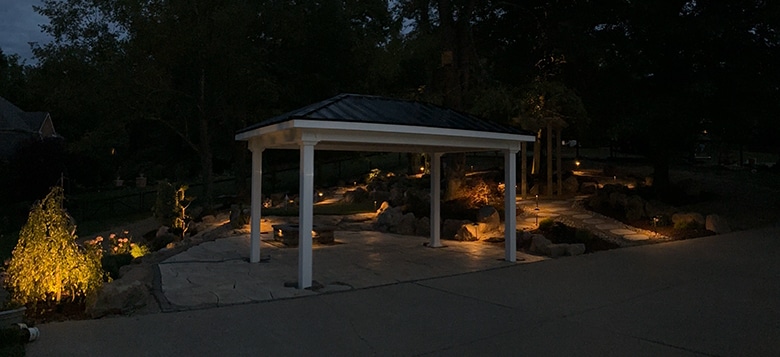
Stone patio design should harmoniously blend with your home’s architectural style while reflecting personal preferences and lifestyle needs. Different themes utilize specific stone types, patterns, and features to create cohesive outdoor environments that feel like natural extensions of indoor living spaces. For inspiration, explore photos, design platforms, or real-life examples to spark creativity and envision your ideal outdoor space.
Contemporary/Modern stone patios emphasize clean lines, large format stones, and minimal grout lines. Bluestone and granite work particularly well for this aesthetic, providing consistent coloring and smooth surfaces. Geometric patterns like ashlar or large rectangular layouts create the structured appearance modern design demands. Outdoor furniture can complement the design and reflect your personal style. Integrated lighting and minimalist plantings complete the sophisticated look.
Traditional/Classic designs favor symmetrical patterns and warm earth tones that complement historical architectural styles. Limestone and sandstone provide appropriate coloring, while formal patterns like running bond or modified herringbone create timeless elegance. These designs often incorporate traditional elements like stone edging and classical planters.
Rustic/Cottage styles celebrate natural stone’s organic character through irregular flagstone layouts and wider joints. Flagstone patios are a popular choice for these outdoor living spaces, offering both functionality and aesthetic appeal. Weathered finishes and moss-friendly joint materials create aged appearances that integrate beautifully with cottage gardens. Firepits are often included as a key feature for social gatherings, enhancing the inviting atmosphere. Natural materials like reclaimed stone add authentic character while supporting sustainable design principles.
Mediterranean themes utilize warm-colored stones like sandstone or travertine to evoke sun-soaked European courtyards. Curved edges and terra cotta accents create inviting, relaxed atmospheres perfect for outdoor dining and casual entertaining. Patios can be surrounded by garden beds, gravel, or pathways for a cohesive look. Water features and aromatic plantings enhance the Mediterranean experience.
Asian-inspired designs emphasize zen aesthetics through carefully balanced compositions and natural harmony. Slate and dark granite create calming, contemplative surfaces, while integrated water features provide soothing sounds. Bamboo accents and minimal, architectural plantings complete the serene aesthetic.
English Garden styles incorporate traditional cobblestone elements and antique finishes to create charming, Old World character. Irregular flagstone with moss-friendly joints and weathered edges provides authentic cottage garden appeal. Integrated plantings blur the boundaries between hardscape and garden. Patios in this style are often surrounded by lush garden beds or winding paths, enhancing the sense of enclosure and integration.
When matching patio style to home architecture, consider existing materials, color palettes, and proportions. Stone patios should complement the style of the house rather than compete with architectural features, creating seamless transitions between indoor and outdoor spaces. Integrating the patio into the yard ensures a unified and functional outdoor living experience.
Essential Stone Patio Features and Add-ons
Transforming basic stone surfaces into complete outdoor living spaces requires thoughtful integration of functional features and aesthetic elements. These additions create separate areas for different activities while maximizing your patio’s entertainment potential and year-round usability.
Fire Pits and Fireplaces serve as natural gathering points that extend outdoor season enjoyment. Stone surrounds using materials matching your patio create visual unity while providing heat-resistant surfaces. A firepit is often used as a central feature in circular patio designs, acting as a focal point for social gatherings and enhancing outdoor ambiance. Safety considerations include proper clearances from structures and combustible materials, along with local building code compliance. Gas-fired options offer convenience and consistent heat output, while wood-burning alternatives provide authentic ambiance and crackling sounds.
Outdoor Kitchens transform patios into comprehensive entertainment hubs through integrated cooking and dining facilities. Stone countertops using granite or other durable materials provide heat-resistant work surfaces that withstand weather exposure. Built-in grills, storage solutions, and prep sinks create functional cooking areas, while stone veneer facades integrate equipment seamlessly with patio design.
Water Features add sensory appeal through sight and sound while creating cooling effects in hot climates. A water feature, such as a fountain or pond, enhances outdoor ambiance with its tranquil sounds and visual interest. Fountains, ponds, and decorative rills require careful drainage planning and electrical considerations. Stone construction using materials matching your patio ensures visual harmony while providing durable, weather-resistant installation.
Pergolas and Shade Structures extend comfort during hot weather while adding vertical interest to patio designs. A pergola provides shade, shelter, and aesthetic appeal, making it an integral part of many outdoor living spaces. Material coordination between stone bases and wooden or metal frameworks creates cohesive appearances. Proper attachment methods ensure structural integrity, while integrated climbing plants provide natural cooling and seasonal interest.
Integrated Seating maximizes space efficiency through built-in benches and retaining wall seating. Stone construction provides permanent, weather-resistant seating that never needs storage or replacement. Proper height and depth considerations ensure comfort, while back support and cushion compatibility enhance usability.
Lighting Systems enable evening entertainment while providing safety illumination. LED options offer energy efficiency and long service life, while various mounting options integrate with stone construction. Ambient lighting creates inviting atmospheres, while task lighting illuminates cooking and dining areas. Path lighting ensures safe navigation between different patio zones.
Planters and Garden Beds soften hardscape appearances while incorporating natural beauty into stone designs. Built-in planters using matching stone create permanent growing spaces, while proper drainage prevents water damage to patio foundations. Seasonal plantings provide changing color and interest throughout the year.
Stone Patio Installation and Preparation
Proper installation determines your stone patio’s longevity and performance, making careful preparation and execution crucial for successful results. Whether pursuing professional installation or DIY approaches, understanding key processes helps ensure optimal outcomes and prevents costly future problems.
Site Evaluation begins with thorough drainage assessment to prevent water accumulation and frost damage. Slope considerations ensure proper water runoff away from structures, while utility location prevents dangerous excavation accidents. Professional evaluation identifies potential issues like high water tables or unstable soils that affect foundation requirements.
Excavation Requirements depend on your climate, soil conditions, and intended use. Most installations require 6-8 inch excavation depth to accommodate base materials and stone thickness. Proper depth prevents frost heave in cold climates while providing stable foundations for heavy stone materials. Compaction of the excavated area creates uniform support for base materials.
Base Materials selection significantly impacts long-term performance and drainage capabilities. Crushed gravel provides excellent drainage and stability for most installations, while sand offers leveling capabilities but requires proper confinement. Concrete bases provide maximum stability for high-traffic areas but reduce drainage and flexibility. Proper compaction of base materials prevents settling and maintains level surfaces.
Edge Restraints prevent stone migration and maintain pattern integrity over time. Metal, plastic, or concrete restraints contain the patio perimeter while allowing for thermal expansion. Proper installation ensures long-term stability without visible appearance impacts.
Joint Filling affects both aesthetics and maintenance requirements. Polymeric sand provides excellent stability while allowing some drainage, reducing weed growth and sand washout. Traditional sand offers maximum drainage but requires frequent maintenance. Mortar joints provide permanent stability but reduce flexibility and drainage.
Professional vs DIY Considerations depend on project complexity, available time, and skill levels. Professional installation ensures proper base preparation and pattern execution while providing warranties and insurance protection. DIY approaches can work for smaller, simpler projects but require significant time investment and specialized tools. Consider professional consultation even for DIY projects to ensure proper foundation work.
Permit Requirements vary by location and project scope but often apply to extensive excavation or permanent structures. Building codes may specify foundation requirements, drainage standards, and setback distances. Local regulations sometimes restrict certain installation methods or require professional oversight.
Maintenance and Long-term Care
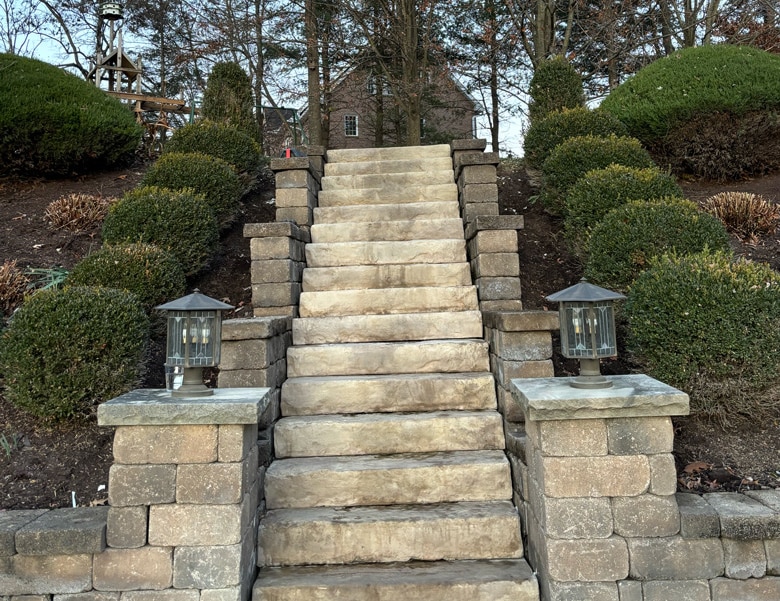
Proper maintenance preserves your stone patio’s beauty and structural integrity while preventing costly repairs and premature replacement. Understanding specific care requirements for your chosen natural stone helps develop effective maintenance routines that maximize longevity and appearance.
Cleaning Procedures vary based on stone type and environmental conditions. Regular sweeping removes debris that can stain surfaces or support weed growth in joints. Power washing effectively removes accumulated dirt and organic growth, though pressure settings must match stone hardness to prevent surface damage. Specific stain removal techniques address common issues like oil spills, leaf stains, and efflorescence buildup.
Sealing Requirements depend on stone porosity and local climate conditions. Dense stones like granite rarely need sealing, while porous materials like limestone and sandstone benefit from periodic treatment. Quality sealers protect against water penetration, staining, and freeze-thaw damage while maintaining natural appearance. Application frequency typically ranges from 2-5 years depending on stone type and weather exposure.
Joint Maintenance prevents weed intrusion and maintains structural stability. Re-sanding with polymeric sand every few years replaces material lost to weather and foot traffic. Weed control through pre-emergent herbicides and regular removal prevents root damage to stone surfaces. Proper joint maintenance also prevents settling issues that create uneven walking surfaces.
Weather Protection becomes particularly important in freeze-thaw climates where water expansion can crack stones or destabilize installations. Proper drainage maintenance prevents ice formation, while snow removal techniques avoid surface damage from metal tools. Storm preparation includes securing loose elements and clearing drainage pathways.
Repair Techniques address common issues before they become major problems. Replacing damaged stones requires careful removal and proper foundation repair. Leveling settled areas may involve base material addition and re-installation. Early intervention prevents small issues from affecting surrounding stones or compromising overall stability.
Annual Maintenance Timeline helps organize care activities for optimal results. Spring tasks include cleaning, damage assessment, and sealer application. Summer maintenance focuses on weed control and joint inspection. Fall preparation involves leaf removal and drainage clearing. Winter activities emphasize snow removal and ice prevention.
Understanding your specific stone’s maintenance needs helps preserve both appearance and structural integrity while maintaining the natural beauty that makes stone patios such valuable outdoor space investments.
Cost Factors and Budgeting
Strategic budgeting for stone patio projects requires understanding the multiple cost factors that influence total investment and long-term value. Material selection, installation complexity, and site conditions significantly impact project costs, while proper planning helps maximize value and minimize unexpected expenses.
Material Costs vary dramatically based on stone type, quality grades, and sourcing locations. Local quarried stone typically costs less than imported materials while supporting regional businesses and reducing environmental impact. Premium stones like granite and bluestone command higher prices but offer superior durability and appearance. Regular maintenance costs should factor into long-term budgeting, with sealed stones requiring periodic re-treatment.
Installation Costs depend on labor rates, project complexity, and regional market conditions. Professional installation ensures proper base preparation and pattern execution while providing warranties and insurance protection. Complex patterns, difficult access, and extensive site preparation increase labor requirements and associated costs. Regional variations in labor availability and building standards affect pricing significantly.
Site Preparation Expenses often represent substantial portions of total project costs. Excavation requirements depend on soil conditions, drainage needs, and local climate factors. Utility marking and protection prevent costly accidents while ensuring code compliance. Access challenges like narrow spaces or elevated locations increase equipment and labor requirements.
Additional Feature Costs should be considered during initial planning rather than as afterthoughts. Fire pits, outdoor kitchens, and integrated lighting require specialized materials and installation techniques. Water features need electrical work and proper drainage systems. Built-in seating and planters affect stone quantities and installation complexity.
Long-term Value Considerations justify higher initial investments through extended service life and reduced maintenance requirements. Quality stone installations often last decades with minimal care, while cheaper alternatives may require frequent repairs or replacement. Property value increases from well-designed stone patios typically exceed installation costs over time.
Build a Timeless Stone Patio with Cascades Landscaping
Book a quote, visit our website to explore designs and past projects, or call 412-609-2732 to speak with a specialist and begin your project today.