Key Takeaways
- Start backyard design by assessing your space size, budget, and intended use for dining, relaxation, or entertainment
- Choose a cohesive design style like modern minimalist, rustic farmhouse, or Mediterranean to guide material and furniture selections
- Create distinct functional zones including seating areas (12×12 feet minimum), dining spaces, and privacy screening for optimal layout
- Incorporate essential hardscaping elements like patios, walkways, and retaining walls using materials such as concrete pavers, natural stone, or composite decking
- Layer lighting with ambient string lights, task lighting for cooking areas, and accent lighting for landscape features
Creating the perfect backyard design transforms your outdoor space into a personal sanctuary that extends your home’s living area while boosting property value. Whether you’re looking to create an entertaining hub for community gatherings or a peaceful retreat for watching the world go by, thoughtful planning makes all the difference between a functional outdoor room and a spectacular extension of your house.
This comprehensive guide will take you through every aspect of backyard design, from initial planning and style selection to implementing hardscaping features and choosing the right plants. You’ll discover how to create distinct zones for different activities, achieve the perfect lighting ambiance, and incorporate elements that inspire relaxation and fun for years to come.
Planning Your Backyard Design
Before diving into design inspiration and material selection, proper planning forms the foundation of any successful backyard transformation. The process begins with a thorough space assessment that will guide every subsequent decision about your outdoor design. Designing your backyard layout is essential at this stage, especially if you want to include features like BBQ/smoker islands or spas—this step involves brainstorming and visualizing how these elements will fit into your space.
Start by measuring your yard’s square footage and creating a simple sketch that notes existing trees, structures, and natural features you want to preserve. For added convenience and flexibility, you can use any device, such as a smartphone or tablet, to create and customize your backyard design plans. Walk through your space at different times of day to understand sun and shade patterns, which will significantly impact both plant selection and the placement of seating areas. Pay attention to how water moves through your yard during rain, identifying any drainage issues that need addressing before installation begins.
Climate considerations play a crucial role in material durability and plant survival. Research your USDA hardiness zone and local rainfall patterns to make informed choices about both hardscaping materials and landscaping elements. In areas with freeze-thaw cycles, choose materials that can withstand temperature fluctuations without cracking or deteriorating.
Most backyard projects require permits for structures over 120 square feet or any electrical installations for lighting systems. Contact your local building department early in the planning process to understand requirements and avoid costly delays. Some municipalities also have setback requirements for fire pits, pools, or permanent structures that could affect your layout plans.
Timeline planning ensures your project progresses smoothly through optimal seasons. Spring (March through May) offers ideal conditions for most landscaping work, allowing plants to establish before summer heat stress. Hardscaping projects can proceed year-round in moderate climates, but concrete work should avoid freezing temperatures for proper curing.

Design Styles and Themes
Selecting a cohesive design style creates visual unity throughout your outdoor space and simplifies material and furniture decisions. Your chosen style should complement your house’s architecture while reflecting your personal preferences and lifestyle needs. Choosing a new design style can upgrade your backyard, giving it a more contemporary and functional look. Working with a professional designer can help ensure your backyard design style is cohesive and tailored specifically to your needs.
Modern Minimalist Design
Modern minimalist backyard design emphasizes clean lines and uncluttered layouts that create sophisticated outdoor rooms. This approach features geometric shapes in both hardscaping and planting arrangements, using neutral color palettes dominated by whites, grays, and blacks to maintain visual calm.
Materials for modern designs include poured concrete patios with smooth finishes, steel planters with sharp edges, and horizontal wood fencing that emphasizes the yard’s linear elements. Furniture selections favor low-profile sectionals with sleek silhouettes and statement fire tables that serve as focal points without overwhelming the space. A creative approach to outdoor furniture, such as incorporating interior-inspired pieces, can add a modern and stylish touch to the space.
The key to successful minimalist design lies in emphasizing negative space – the empty areas between elements that allow each component to shine. Every feature should serve a purpose, whether functional or aesthetic, contributing to the overall sense of intentional simplicity that makes modern backyards feel both stylish and serene.
Traditional and Rustic Styles
Traditional backyard design incorporates natural materials and curved lines that create warm, inviting outdoor spaces perfect for family gatherings. Flagstone patios with irregular edges, cedar pergolas with rich wood tones, and brick pathways that wind through planted areas characterize this timeless approach.
Cottage garden elements work beautifully in traditional settings, featuring perennial borders that change with seasons and climbing vines that soften hard edges of structures. Mixed plantings create layers of texture and color, while cozy seating arrangements around fire pits encourage intimate conversations and relaxation.
Rustic styles embrace imperfection and natural aging, using reclaimed wood, weathered stone, and earth-tone color schemes that blend seamlessly with natural surroundings. These designs often incorporate productive elements like herb gardens or fruit trees, combining beauty with functionality in ways that feel both purposeful and organic.
Mediterranean and Tropical Themes
Mediterranean design brings warmth and exotic appeal through terracotta tiles, stucco walls, and wrought iron accents that evoke seaside villas and sun-drenched courtyards. This style works particularly well in warm climates where outdoor living extends year-round.
Palm trees, succulents, and drought-resistant plants provide lush greenery while conserving water – an essential consideration in many regions experiencing changing climate patterns. These plant choices require minimal maintenance once established, making them practical for busy homeowners who want beautiful results without constant upkeep.
Outdoor kitchens with tile backsplashes and built-in pizza ovens become natural gathering places for cooking and entertaining. Water features like fountains or reflecting pools add cooling sounds and visual interest, creating microclimates that make hot summer days more comfortable for outdoor activities.
Essential Hardscaping Elements
Hardscaping provides the structural foundation that defines your outdoor space’s functionality and visual appeal. Incorporating a variety of textures—such as wood, concrete, and metal—into your hardscaping can enhance visual interest and create striking contrasts. These permanent elements require careful planning and quality installation to ensure decades of enjoyment and minimal maintenance requirements.
Upgrading hardscaping elements like patios, walkways, and retaining walls can modernize your backyard and significantly improve its functionality.
Patios and Decking
Designing a backyard patio as a versatile outdoor space is essential for creating a functional and stylish environment. Proper patio sizing ensures comfortable use for intended activities. Plan dining patios at minimum 12×16 feet to accommodate tables and chairs with adequate circulation space, while intimate seating areas need at least 10×12 feet for conversation groupings. These dimensions allow furniture placement without overcrowding and provide room for people to move around comfortably.
Choose materials like natural stone, concrete pavers, or composite decking based on your style preferences, maintenance tolerance, and local climate conditions. Natural stone offers unmatched beauty and durability but requires occasional sealing to prevent staining. Concrete pavers provide versatility in colors and patterns while allowing easy replacement of individual units if damage occurs. A covered patio can extend usability throughout the year by providing shelter from sun and rain, making your outdoor living area more inviting and functional.
Include proper drainage with 1-2% slope away from your house foundation to prevent water accumulation and potential structural issues. Consider permeable materials like permeable pavers or decorative gravel that allow rainwater to filter naturally into soil rather than creating runoff that can cause erosion or flooding in other areas.
Walkways and Pathways
Design main walkways 4-5 feet wide to accommodate two people walking side by side, while secondary paths need only 2-3 feet for single-file access to garden areas or utility zones. These proportions create hierarchy in your circulation system and guide visitors naturally through your designed spaces.
Use materials that complement your patio choices to create visual cohesion – matching stone maintains unity while contrasting gravel can add textural interest and define different zones. Curved pathways work well in informal gardens with naturalistic plantings, while straight lines reinforce modern designs with geometric elements.
Install pathway lighting every 6-8 feet for both safety and visual appeal during evening hours. Low-voltage LED fixtures provide energy-efficient illumination that highlights your walkway investment while ensuring safe navigation after dark. Consider fixtures that complement your overall design style rather than generic options that might detract from your carefully planned aesthetic.
Retaining Walls and Borders
Build retaining walls under 4 feet in height to avoid engineering requirements in most areas, though local codes vary and should be verified before construction begins. Taller walls often require professional design and permits that add complexity and expense to projects.
Choose materials like stacked stone for natural appeal, concrete blocks for durability and affordability, or treated timber for rustic charm that complements woodland settings. Each material offers different installation requirements and maintenance needs that should factor into your selection process.
Include proper drainage behind walls using gravel backfill and perforated drainage pipes that prevent water buildup and soil pressure that can cause wall failure. Create terraced levels on slopes to transform unusable steep areas into functional flat spaces perfect for planting beds, seating areas, or activity zones that expand your yard’s usable space.
Functional Outdoor Zones
Creating distinct functional zones maximizes your backyard’s potential by designating specific areas for different activities. Including plenty of furnishings, lighting, and decorative accents in each zone can create a more inviting and well-balanced outdoor space. This approach ensures every square foot serves a purpose while maintaining visual flow between spaces.
Dining and Entertainment Areas
Plan dining spaces at 8×10 feet minimum to accommodate 6-person tables with chairs and adequate circulation space for serving and conversation. Position these areas within 20-30 feet of kitchen access for convenient food service, reducing the hassle of carrying dishes and supplies across long distances.
Include overhead coverage using pergolas, umbrellas, or retractable awnings that provide flexibility for different weather conditions. These elements extend usable hours by offering protection from both sun and light rain, making your investment more valuable throughout the seasons.
Add outdoor kitchens with built-in grills, refrigeration, and storage for frequent entertainers who want restaurant-quality cooking capabilities in their backyard. These installations create natural gathering places where the cook can interact with guests rather than being isolated indoors during social events.
Relaxation and Lounge Spaces
Create intimate seating areas measuring 8×10 feet minimum for conversation groups that encourage face-to-face interaction. Include comfortable furniture like sectional sofas, chaise lounges, or hammocks that invite extended relaxation and leisure activities. You can also hang a hammock or shade sail to create a comfortable and casual area for unwinding.
Position these quiet zones away from high-traffic areas to maintain peaceful atmosphere conducive to reading, meditation, or simply enjoying your outdoor room. Consider views when placing seating – whether toward garden features, distant landscapes, or simply away from neighboring houses for enhanced privacy.
Add privacy screening using tall plants, decorative fencing, or artistic panels that create enclosure without complete isolation. These elements help define the space while maintaining connection to the broader yard and house, striking the right balance between openness and intimacy.
Play and Activity Zones
Designate flat, safe areas for children’s play equipment with required 6-foot clearance zones around swings, slides, and climbing structures. These safety considerations prevent injuries while ensuring adequate space for active play without interfering with other yard functions.
Include storage solutions for toys, games, and seasonal equipment that keep play areas organized and maintain the overall design aesthetic. Built-in benches with hidden compartments or decorative sheds can serve dual purposes while keeping clutter under control.
Consider multi-purpose spaces that adapt for different activities throughout the year – areas that function as play zones for kids can transform into entertainment spaces for adults when children outgrow equipment. This flexibility maximizes long-term value and accommodates changing family needs.
Install soft surface materials like rubber mulch or artificial turf under play areas to provide cushioning for falls while requiring minimal maintenance compared to traditional grass that can become worn and muddy with heavy use.
Plant Selection and Landscaping
Strategic plant selection creates the living framework that softens hardscaping elements while providing seasonal interest, privacy, and ecological benefits. Success depends on matching plant requirements to your specific site conditions and climate challenges.
Choose plants appropriate for your USDA hardiness zone and local rainfall patterns to ensure survival and minimize maintenance requirements. Plants adapted to local conditions naturally resist common pests and diseases while requiring less supplemental watering and fertilization.
Layer plantings using trees (25-40 feet), shrubs (3-8 feet), and perennials (1-4 feet) to create visual depth and habitat diversity. This approach mimics natural forest structure while providing multiple seasons of interest through varying bloom times, foliage colors, and winter architectural elements.
Include native species that require 50% less water and maintenance than non-native alternatives while supporting local wildlife populations. Native plants have evolved alongside local pollinators and birds, creating ecological connections that enhance your yard’s environmental value beyond mere aesthetics.
Plan for year-round interest using evergreen structure plants that provide constant backdrop, combined with seasonal flowering varieties that mark spring arrival, summer abundance, and fall transformation. This strategy ensures your landscape remains attractive even during dormant winter months.
Group plants with similar water and sunlight requirements for efficient maintenance and irrigation management. This practice, known as hydrozoning, reduces water waste while ensuring each plant receives optimal growing conditions that promote health and longevity.
Outdoor Lighting Design
Thoughtful lighting design extends your backyard’s usability into evening hours while creating ambiance that transforms ordinary spaces into magical outdoor rooms. Layer different types of lighting to achieve both functional illumination and aesthetic appeal.
Install pathway lighting using low-voltage LED fixtures consuming 3-5 watts each for energy efficiency and safety. These fixtures should provide adequate illumination for navigation without creating glare that destroys night vision or disturbs neighbors with excessive brightness.
Add ambient lighting using string lights with 25-foot strands or decorative lanterns that create warm, inviting atmosphere perfect for dining and entertaining. Choose warm white bulbs (2700K-3000K) that complement skin tones and food colors rather than harsh cool white that can feel institutional.
Include accent lighting to highlight architectural features, specimen trees, or water elements that deserve attention after dark. Up-lighting techniques can transform ordinary plantings into dramatic focal points while creating depth and visual interest throughout your designed landscape.
Use timer controls and smart switches for energy efficiency and convenience that eliminate the need to manually operate multiple fixtures. Programmable systems can automatically adjust lighting schedules seasonally and provide security benefits when you’re away from home.
Position lights to minimize glare while providing adequate illumination for safety and ambiance. Shield fixtures to direct light downward and prevent light pollution that can disturb neighbors and wildlife while wasting energy on areas that don’t require illumination.
Privacy and Screening Solutions
Creating privacy in your backyard allows you to fully relax and enjoy your outdoor space without feeling exposed to neighbors or street traffic. Multiple screening methods can be combined for year-round effectiveness and visual appeal.
Install fencing 6-8 feet high using materials like cedar, vinyl, or horizontal steel panels that complement your overall design style while providing immediate privacy. Wood fencing offers natural beauty but requires periodic maintenance, while vinyl provides low-maintenance durability with consistent appearance over time.
Plant fast-growing screening trees like Leyland cypress that grow 3-4 feet per year or bamboo varieties that create dense visual barriers while adding natural movement and sound buffering. These living screens require patience for establishment but ultimately provide more attractive and environmentally beneficial privacy than artificial alternatives.
Create living walls using climbing vines on trellises or wire frameworks that maximize privacy in minimal space. This approach works particularly well in urban settings where yard space is limited but privacy needs are high due to close neighboring houses.
Use decorative screens with geometric patterns or laser-cut designs that provide privacy while maintaining visual interest and contemporary appeal. These features can serve as artistic elements that enhance your design while solving practical screening needs.
Combine multiple screening methods for effective year-round privacy that accounts for seasonal changes in deciduous plantings. Evergreen trees provide constant screening while deciduous elements can offer summer privacy and winter openness depending on your specific needs and preferences.
Water Features and Fire Elements
Water and fire elements serve as natural focal points that add sensory appeal and gathering opportunities to outdoor spaces. These features require careful planning for both safety and maintenance considerations.
Add fountains, ponds, or water walls that provide cooling sounds and visual movement while supporting beneficial wildlife like birds and beneficial insects. Simple recirculating fountains offer low-maintenance options while elaborate pond systems can support aquatic plants and fish for those willing to invest in more complex maintenance routines.
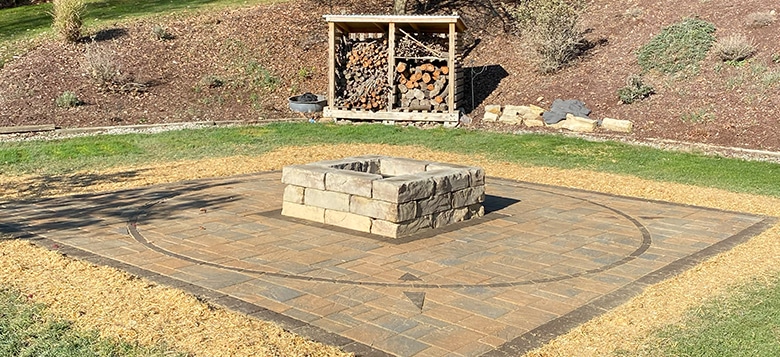
Install fire pits with 8-foot clearance from combustible materials including overhanging tree branches, wooden fencing, and house structures. Proper ventilation and clearance ensure safe operation while local codes may specify additional requirements for permanent installations.
Choose gas fire features for convenience and consistent flame control, or wood-burning options for authentic ambiance and the crackling sounds that enhance outdoor gatherings. Gas systems offer instant ignition and easy extinguishing while wood-burning units provide traditional camping-like experiences.
Include safety features like screens, covers, and emergency shut-off controls that protect children and pets while ensuring quick response to any issues. Fire-resistant materials around fire features prevent accidental ignition and provide safe zones for seating and walking.
Position water and fire elements as focal points visible from main seating areas and interior windows that maximize enjoyment and visual impact. These investments deserve prominent placement where they can be appreciated daily rather than hidden in remote corners where they’re easily forgotten.
Transforming your backyard through thoughtful design creates an extension of your home that enhances daily life while increasing property value. The process requires careful planning, style selection, and attention to functional details that ensure your investment provides decades of enjoyment.
Start your backyard design journey by assessing your space, defining your style preferences, and creating a plan that addresses both immediate needs and future dreams. Whether you choose to hire professional contractors or tackle elements yourself, the principles outlined in this guide will help you achieve the outdoor paradise you’ve been thinking about.
Remember that great backyard design is ultimately about creating a place where life happens – where kids can play safely, where friends gather for memorable evenings, and where you can find peace in your own corner of the world. Take time to plan carefully, choose quality materials that will shine for years to come, and don’t be afraid to realize your vision one phase at a time as your budget and energy allow.
FAQ
How long does a complete backyard renovation typically take?
Simple landscaping projects take 1-3 weeks depending on weather and plant availability, while hardscaping installation including patios and retaining walls requires 2-6 weeks for completion. Comprehensive renovations with multiple elements take 6-12 weeks from start to finish, and permit approval can add 2-8 weeks depending on local requirements and project complexity. Weather delays and material availability can extend timelines, particularly during peak construction seasons.
What maintenance requirements should I expect for different backyard elements?
Natural stone and concrete require annual sealing and occasional pressure washing for longevity, while wooden structures need staining or sealing every 2-3 years depending on climate exposure. Plant maintenance varies from weekly watering for new installations to monthly care for established gardens, and outdoor lighting systems require bulb replacement every 2-5 years with seasonal fixture cleaning. Fire features need regular ash removal and annual safety inspections.
How do I choose the right plants for my specific climate and soil conditions?
Conduct soil tests to determine pH levels (6.0-7.0 ideal for most plants) and drainage characteristics, then consult USDA hardiness zone maps and select plants rated for your specific zone. Consider microclimates in your yard including sun exposure, wind patterns, and moisture levels that can vary significantly within the same property. Visit local nurseries for regionally-appropriate plant recommendations and seasonal availability, as they understand local growing conditions better than national retailers.
What permits or approvals might I need for backyard improvements?
Structures over 120 square feet typically require building permits in most municipalities, while electrical work for lighting or outlets requires permits and licensed electrician installation. Swimming pools, hot tubs, and permanent fire features need specific safety and setback approvals that vary by location. Check with local building departments early in planning phase to avoid costly delays or modifications, as requirements can vary significantly between neighboring communities.
How can I create a backyard design that works for both entertaining and daily family use?
Design flexible zones that can serve multiple purposes – dining areas that accommodate both family meals and larger gatherings, and open lawn spaces that function for children’s play and adult activities. Choose durable materials that withstand heavy use while maintaining aesthetic appeal, and include adequate storage for transitioning between different uses. Consider modular furniture and removable elements that allow quick reconfiguration for different occasions and seasonal needs.
Start Today
Ready to transform your backyard into a personalized outdoor retreat? Book a quote with Cascades Landscaping, visit our website to explore design ideas and past projects, or call 412-609-2732 to speak with a specialist and begin your project today.